
25-12-2025
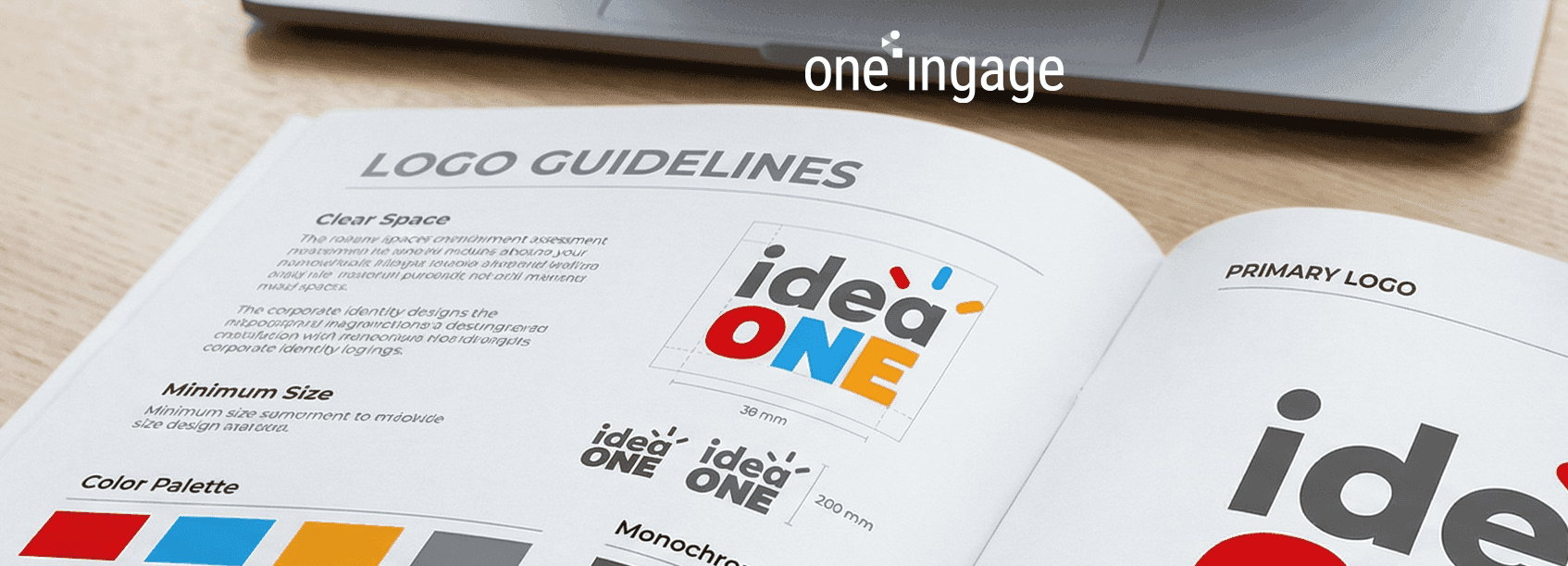


Corporate identity design is the backbone of how your business looks, sounds, and feels across every touchpoint. A clear identity helps people recognize you instantly and understand what you stand for without reading a long story.
Corporate identity is the unified way a company presents itself to the world through visuals, language, and behavior. It covers everything from your logo and colors to how your team communicates with customers and represents the brand every day. A strong corporate identity makes your organization feel like one coherent brand rather than a collection of random pieces.
At its core, corporate identity connects your internal culture with your external image. It turns your vision, mission, and values into tangible design choices and communication standards. When these parts are aligned, customers are more likely to remember you and trust you.
Key areas of corporate identity include:
A strong corporate identity builds recognition and makes it easier for customers to pick you out in a crowded market. When your visuals and messaging are consistent, people start to feel that they “know” your brand, even before they have direct contact. Over time, this familiarity reduces friction in decision-making and supports long-term loyalty.
Consistency also sends a powerful trust signal. When what you say, what you do, and how you appear are aligned, your brand feels reliable and professional. This alignment is especially important in digital environments where customers quickly judge credibility based on design and clarity.
A strong corporate identity helps you:
Corporate identity is made up of several connected elements that work together as a system. Treating these elements as a toolkit rather than isolated assets helps you maintain consistency as your brand grows. When defining your identity, avoid focusing only on the logo. Colors, typography, imagery, and brand voice all play a role in shaping how people perceive your business and how they feel when they interact with it.
Your logo is often the first visual element people associate with your brand, so it should be simple, distinctive, and versatile. A good logo works in different sizes, on different backgrounds, and in different formats, from app icons to signage. When designing or refining a logo, aim for clarity over complexity. Focus on a few strong shapes or letters rather than many tiny details that disappear at small sizes. Make sure the logo reflects your brand’s personality—whether that is professional, playful, innovative, or traditional.
Color is one of the fastest ways to create recognition and emotion. A clear brand color palette usually includes primary colors, secondary accents, and neutral tones for backgrounds and text. Together, these colors should support readability and accessibility, not just aesthetics. Choose colors that align with your positioning and industry while still giving you room to stand out. Also consider contrast ratios so text remains readable on all devices and in all environments.
Typography shapes how your content feels and how easy it is to read. A consistent type system usually includes one or two main typefaces with clear rules for headings, subheadings, and body text. Mixing too many fonts can quickly make your identity look unprofessional and confusing. Decide how typography should behave in different contexts, such as web, print, and presentations. Think about how your font choices reflect your brand personality—modern, classic, friendly, or technical.
Images and icons bring your brand to life and add emotional context to your messages. A defined style—whether photography, illustration, or a mix—keeps your materials from feeling random or off-brand. Decide what kind of imagery reflects your brand best. For example, some brands favor human-centered photography that shows real customers, while others focus on product close-ups or abstract illustrations.
Brand voice is the way your company “speaks” in writing and speech. It covers word choice, sentence length, and how formal or informal you sound. A clear voice makes your brand recognizable even when the logo is not visible. Messaging translates your strategy into phrases customers remember—like taglines, value propositions, and key benefits. When these messages are used consistently, they reinforce what you stand for and why you exist.
A strong corporate identity does not start in design software; it starts with strategy. Before choosing colors or drawing logos, you need a clear understanding of your current brand, your audience, and your competitive landscape. A good strategy gives your identity a purpose. It helps you make design decisions faster, avoid internal conflicts, and ensure that visual choices support business goals, not personal taste.
A brand audit is an honest review of how your brand is performing today. It looks at visuals, messaging, customer experience, and market perception to understand what is working and what needs improvement. Use both internal and external data in your audit. Review design assets, website analytics, social media engagement, customer feedback, and competitor benchmarks to build a realistic picture.
Values and mission explain why your company exists and how it behaves. They guide both internal decisions and external communication and should be more than generic statements that could apply to any brand. When your identity reflects your real values, you build authenticity and trust. Over time, customers learn what to expect from you, and employees understand what they represent when they carry your brand.
Your corporate identity should speak directly to the people you want to reach. Understanding your target audience helps you choose visuals, language, and experiences that resonate with their needs, tastes, and expectations. Move beyond basic demographics by exploring motivations, challenges, and preferences. This will help you decide whether your brand should feel more serious, playful, premium, or accessible.
Competitive analysis reveals how other players in your market present themselves and where you can stand out. It does not mean copying their style, but understanding common patterns and avoiding look-alike identities. Review competitor logos, colors, tone of voice, and messaging to identify overused choices and missed opportunities. This helps you design a corporate identity that is distinctive while still appropriate for the category.
A corporate identity manual, or brand style guide, is the rulebook for how your brand should be presented. It gathers all your visual and verbal standards in one place so teams and partners can apply them consistently. Without a clear manual, even strong designs can become diluted over time as different people interpret the brand in their own way. A well-structured guide protects your identity and saves time by reducing endless approvals.
The visual section of your identity manual translates design decisions into practical rules. It shows how to use your logo, colors, fonts, and imagery correctly, with examples of both best practice and mistakes to avoid. The goal is to make these rules easy to understand, even for non-designers. Visual examples are often more effective than long explanations.
Voice and tone guidelines explain how your brand should sound in different situations. They help writers, marketers, and support teams communicate in a way that feels like one brand, even if many people are creating content. These guidelines should be concrete and practical, with real phrases and examples rather than abstract descriptions. Include scenarios such as website copy, social media posts, email responses, and error messages.
Usage rules explain how employees and external partners should apply the brand in real projects. They bridge the gap between theory and day-to-day execution. Clear rules reduce confusion, avoid off-brand experiments, and make collaboration with agencies more efficient. They also help new team members get up to speed quickly.
Your identity must work across websites, apps, social media, print materials, and physical spaces. Each channel has its own constraints, but your brand should still feel like one unified experience. Think of digital and physical touchpoints as part of the same journey. Customers might discover you on social media, visit your website, receive a printed brochure, and then walk into your office or store. In each step, they should recognize the same brand.
On your website and social media, brand identity is constantly visible. Layout, colors, typography, and imagery work together to create a first impression within seconds. Make sure that logos, buttons, and headings follow your style guide rather than each platform’s default settings. Social channels also showcase your brand voice in action. Choose a tone that matches your audience and stay consistent in captions, comments, and direct messages.
Printed materials may feel traditional, but they still play an important role in how people perceive your company. A well-designed business card or letterhead reinforces professionalism, while packaging can strongly influence product experience and perceived value. Even small items, such as shipping labels or envelopes, should follow the same identity rules. Consistency across these details shows attention to quality and builds trust.
Physical spaces are powerful carriers of brand identity. Interior design, signage, wayfinding, and even scent or sound can support your positioning and values. A coherent environment makes visitors feel that your brand is “real,” not only a digital concept. Align the look and feel of your space with your visual identity. Use your color palette and imagery strategically on walls, furniture, and displays without turning the space into a logo museum.
Over time, markets, customer expectations, and company strategies evolve, and your corporate identity may need to evolve as well. Rebranding can be a light refresh or a full transformation, but it should always be driven by strategy, not boredom or trends. A thoughtful rebrand strengthens relevance and clarity without breaking trust. The key is to understand what should change and what should remain familiar.
You should consider rebranding when your current identity no longer reflects who you are or where you are going. This might happen after entering new markets, changing your product focus, or shifting your audience. If customers are confused about what you do or mix you up with competitors, that is also a strong signal. Internal misalignment, where teams interpret the brand differently, can be another sign that your identity needs a reset.
A successful rebrand follows a clear process rather than jumping straight into design. Start with research and strategy, then move into creative exploration and testing, and finally plan a careful rollout. Include key stakeholders early to reduce resistance and ensure buy-in. Test new concepts internally and, where possible, with selected customers before going public.
Communication can make or break a rebrand. Internally, employees need to understand the reasons behind the change and how it affects their daily work. Externally, customers and partners need reassurance that the brand they know is evolving, not disappearing. Provide clear guidelines, training, and resources so teams can implement the new identity confidently. Publicly, share the story behind the rebrand and connect it to your mission and long-term vision.
Even with a good strategy, common mistakes can weaken your corporate identity. Many brands struggle not because they lack design quality, but because they lack discipline and clarity. Recognizing these pitfalls early helps you protect your investment and keep your brand focused and effective.
Frequent identity mistakes include:
Inconsistency is one of the fastest ways to weaken a brand. When logos, colors, and voice change from one channel to another, customers struggle to recognize you and may question your reliability. The solution is not rigid control but clear guidelines, accessible assets, and training. Make it easy for everyone to “do the right thing” and hard to accidentally go off-brand.
A brand can look beautiful on a designer’s screen but fail with real users. Ignoring user perception means basing decisions only on internal opinion or personal taste. Over time, this can create a gap between how you see your brand and how customers experience it. Collect feedback through surveys, interviews, and analytics. Listen carefully to how customers describe you and what they expect from you.
Complexity often feels impressive during design presentations but becomes a burden in daily use. Too many logo variations, colors, or special cases make it hard for teams to apply the brand correctly. A simpler system is more scalable and easier to remember. It also reduces production errors and speeds up decision-making, especially when multiple teams or partners are involved.
Corporate identity is not only about aesthetics; it has a measurable impact on recognition, trust, and business performance. Tracking the right indicators helps you prove the value of your branding efforts and decide where to improve. Measurement should combine quantitative data and qualitative feedback. This gives you a full picture of how your brand is perceived and how consistently it is applied.
Recognition and loyalty show how well your brand sticks in people’s minds and how strongly they choose you over alternatives. As your identity becomes more consistent and visible, you should see improvements in these indicators. You can track recognition through brand awareness studies, search trends, or direct questions in surveys. Loyalty can be monitored through repeat purchase rates, subscription renewals, and referral behavior.
Customers and employees both interact with your brand every day, so their feedback is a valuable signal. They can highlight gaps between your intended identity and the reality they experience. Encourage open feedback before, during, and after major identity changes. Use structured methods but also listen to informal comments on social media or in meetings.
Identity and branding connect to performance through multiple touchpoints. Improved clarity and trust can increase conversion rates, reduce acquisition costs, and drive higher customer lifetime value. Define specific KPIs before major identity initiatives so you can compare results over time. Focus on a small set of metrics that directly relate to your goals.
Today, there are many tools and resources that make corporate identity design more accessible and more manageable. From professional design software to ready-made templates and online inspiration, you can build and maintain a strong identity even with a small team. The key is to choose tools that support consistency and collaboration. Templates, shared libraries, and asset management systems help keep everyone aligned.
Useful tool and resource categories:
Professional design tools allow you to create high-quality logos, layouts, and visual assets. Template libraries and document presets can speed up production while keeping brand standards intact. Even if you work with agencies or freelancers, having a core set of branded templates ensures that final materials stay consistent across different creators.
You can build a corporate identity with external designers, an in-house team, or a mix of both. The right choice depends on your budget, timeline, and how often you expect to update materials. External experts bring fresh perspective and deep experience, particularly for initial identity creation or major rebrands. In-house teams offer ongoing support, faster iteration, and closer alignment with internal culture.
Online galleries of brand manuals, style guides, and case studies can be extremely helpful when planning or refreshing your identity. Studying how strong brands structure their systems gives you new ideas while highlighting best practices. Use these resources for inspiration, not imitation. The goal is to understand principles and adapt them to your own story and audience.
Corporate identity usually refers to how a company presents itself as an organization—its visuals, communications, and behavior across all stakeholders, including employees, investors, and partners. Brand identity is often used more narrowly to describe how a brand appears and communicates to customers in the market.
Start by clarifying your positioning, audience, and values, then translate them into visual choices like logo, colors, and typography. Build a simple but flexible system that can work on your website, social media, and printed materials.
Consistency helps people recognize your brand quickly and builds trust over time. When customers see the same look and voice across channels, they feel that your company is organized, reliable, and serious about quality.
There is no fixed rule, but most companies review their identity when there are major shifts in strategy, audience, or market positioning. Some brands only need a refresh every 7–10 years, while fast-moving industries may adjust visuals and messaging more frequently.
A corporate identity manual should gather all key rules and examples for using your brand consistently. It typically covers visual standards, voice and tone guidelines, and instructions for applying the brand in different channels.