
07-04-2026
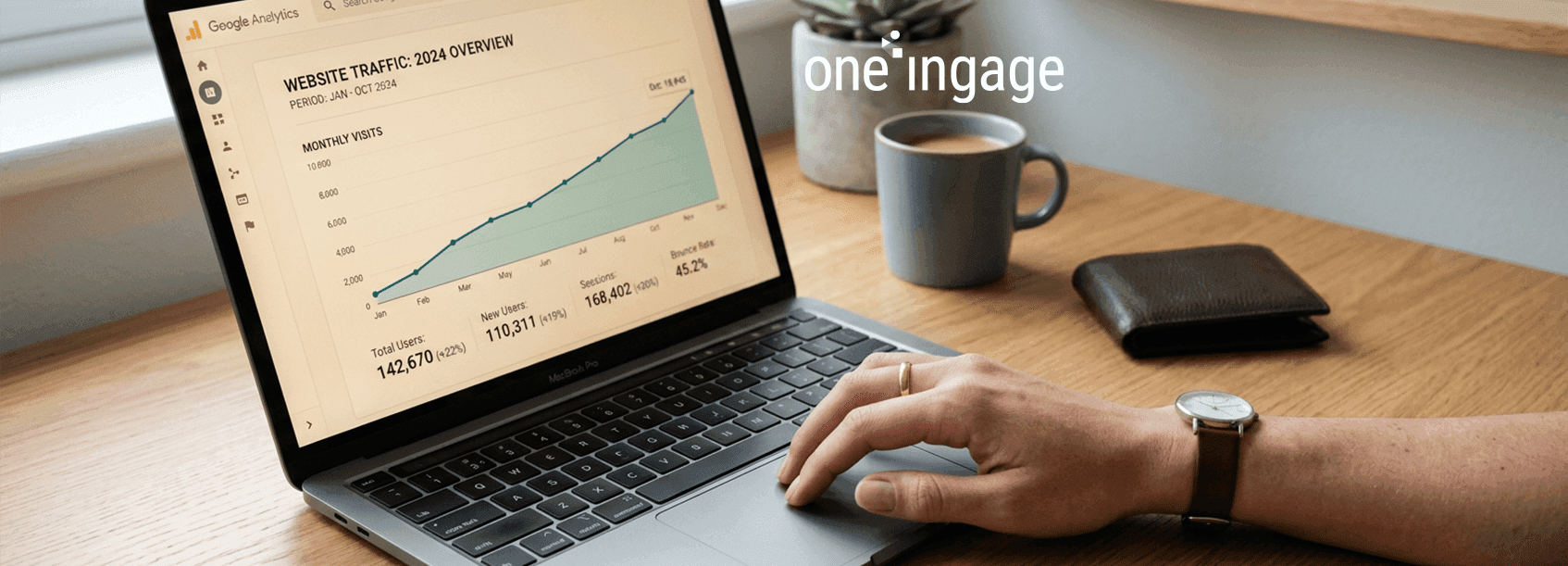


Driving traffic without ads is less about finding one clever shortcut and more about building a system that keeps working after the first click. The strongest websites earn attention by publishing useful content, matching real search intent, showing clear credibility, and giving visitors a reason to come back. That approach aligns well with people-first content, strong site quality, and the kind of trust signals that support long-term visibility in search.
Organic traffic often looks slower at the beginning, but it usually creates a stronger foundation than short bursts from paid campaigns. A page that ranks, gets shared, and earns repeat visits can keep attracting visitors long after the publication date, while ad traffic usually stops the moment budget is paused. For brands that want steady growth, organic channels help build familiarity, trust, and discoverability at the same time. Google’s own guidance also makes it clear that appearing in search results does not require paying for ads, which is why organic visibility remains one of the most efficient growth paths for many websites.
Paid advertising can generate traffic quickly, but it usually behaves like a rental model: you keep paying to keep the flow going. Organic traffic works more like an owned asset, because every useful article, landing page, and resource can keep producing value over time. That does not make SEO free, but it often makes the return more durable.
Organic growth compounds when your content library starts supporting itself. One strong article can rank for multiple related searches, earn backlinks, feed your email list, and introduce readers to other pages on your site. Over time, that creates a flywheel that becomes harder for competitors to copy with ads alone.
Consistent traffic usually comes from getting the fundamentals right before chasing advanced tactics. Search engines need to understand what your pages are about, users need a smooth experience when they land, and your content needs to answer a real question better than the alternatives. When those three pieces work together, rankings become easier to earn and easier to keep. Strong technical basics also help Google crawl, index, and evaluate your pages more effectively.
Good on-page SEO starts with understanding why someone searched in the first place. A page should match the user’s intent clearly, use descriptive headings, answer the main question early, and guide the reader naturally toward the next step. That kind of structure helps both users and search engines make sense of the content.
Technical SEO does not have to be overly complicated, but it does need attention. If your pages are slow, hard to crawl, blocked incorrectly, or difficult to index, even strong content can struggle to perform. Core Web Vitals, page indexing, robots.txt setup, and URL inspection are practical places to start because they affect both visibility and user experience.
The best opportunities are often not the broadest keywords, but the ones with clearer intent and less competition. Instead of chasing a huge phrase like “SEO,” a newer site might perform better with focused searches such as “SEO checklist for local service websites” or “how to improve category page rankings.” These terms usually bring visitors who know what they want and are closer to taking action.
Content marketing works best when it is built like a library rather than a content calendar full of disposable posts. The goal is to publish assets that stay relevant, answer recurring questions, and connect naturally to product pages, service pages, or lead magnets. This is where people-first content and E-E-A-T become especially important, because useful, experience-backed writing tends to be more credible, more linkable, and more likely to rank well over time. The stronger your content depth, the easier it becomes to turn one visit into a longer session or a return visit.
Evergreen content focuses on topics that stay useful beyond a seasonal spike. Tutorials, practical checklists, beginner guides, comparison pieces, and problem-solving articles often have longer shelf life because people keep searching for them. When you update them regularly, they can remain competitive for much longer than trend-based posts.
Long-form guides work well because they can cover a topic with enough depth to satisfy different levels of user intent on one page. They also create stronger internal linking opportunities, help establish topical authority, and make your site more useful as a reference point. The key is not length by itself, but clarity, structure, and completeness.
A strong article should not live in only one place. You can turn a blog post into a LinkedIn post, a short video, an email sequence, a Pinterest graphic, or a YouTube outline without rewriting the idea from scratch. Repurposing extends reach, reinforces your message, and helps bring different audiences back to the same core page on your site.
Social media does not always send the most qualified traffic by default, but it can amplify content, build familiarity, and create repeated exposure that leads to future clicks. The smartest approach is not to post everything everywhere, but to choose formats and platforms that match how your audience discovers ideas. Short-form content can create awareness quickly, while community-driven platforms help deepen interest. When used strategically, social channels become distribution engines for your strongest website assets.
Short-form video works best when it gives a useful preview rather than trying to explain everything. A quick tip, a before-and-after result, or a common mistake can create enough curiosity to move viewers toward the full article or landing page. The strongest clips make the website click feel like the natural next step, not a forced promotion.
Traffic grows faster when people start recognizing your name, not just your links. Replying to comments, participating in discussions, and turning audience questions into future content can build that familiarity over time. The more your audience feels heard, the easier it becomes to bring them from platform engagement to site visits.
Pinterest and LinkedIn can both outperform bigger platforms in the right niche. Pinterest is especially useful for visual, searchable topics such as home, lifestyle, design, wellness, and tutorials, while LinkedIn is often stronger for B2B, professional services, and thought leadership. In both cases, the best traffic usually comes from content that teaches something specific and points clearly to a deeper resource on your site.
Email remains one of the most reliable ways to drive repeat visits because it reaches people who already know your brand. Unlike social algorithms, your list gives you a direct line to readers, subscribers, and past visitors who have already shown interest. That makes email especially valuable for content promotion, product launches, seasonal campaigns, and remarketing to warm audiences. A well-run email strategy can turn one website visit into many future visits.
A larger list is not always better than a more relevant one. Segmenting subscribers by topic interest, source, or funnel stage lets you send content that feels more timely and personal. That usually leads to better engagement because the message matches what the reader actually cares about.
Good newsletters make one clear promise and lead with it quickly. A strong subject line gets the open, but the body copy needs a compelling angle, a clean layout, and an obvious next click. Readers are more likely to visit your website when the email offers a specific benefit instead of a vague update.
Automation is useful when it feels helpful rather than robotic. A welcome sequence, a resource round-up, or a follow-up series tied to a download can guide people back to your best content over several days or weeks. That kind of sequence keeps your brand present without requiring constant manual sends.
Links still matter because they can bring both authority and direct referral traffic. The most effective link building today is less about volume and more about relevance, trust, and genuine value. Strong mentions often come from expert contributions, original insights, unique data, or content that is simply better than what already exists. Digital PR works especially well when your brand has a clear perspective and something useful to add to the conversation.
Guest posting still works when the publication is relevant and the article genuinely helps its readers. The goal is not to scatter links everywhere, but to place strong ideas in front of an audience that already trusts the platform. One thoughtful contribution on the right site can outperform dozens of low-quality placements.
Original research is powerful because it gives other writers something concrete to reference. A small survey, a curated industry benchmark, or even a useful internal data snapshot can become highly linkable when presented clearly. Content that adds new information tends to earn stronger attention than content that only repeats what is already known.
Media request platforms can still be effective when you respond quickly and contribute something genuinely expert. HARO continues to position itself as a connection point between journalists and sources, which makes it useful for brands that can offer concise, credible commentary. Even when a mention does not send large traffic immediately, it can strengthen visibility, trust, and future link opportunities.
Communities can drive highly targeted traffic because the people there are already discussing real problems and looking for practical answers. Reddit, Quora, and niche forums are especially useful for discovering language patterns, recurring objections, and overlooked content ideas. The best results come when you show up to help first and link second. That approach protects trust and makes your recommendations far more likely to be welcomed.
Each platform has its own tone, so copying the same response everywhere rarely works. A better approach is to read the discussion, add a useful answer in plain language, and mention your resource only when it clearly expands on the point. That makes the click feel earned rather than promotional.
Thought leadership usually comes from consistency, not self-promotion. When your answers are clear, specific, and grounded in actual experience, people begin to associate your name with useful insight. That credibility often creates traffic indirectly because readers choose to seek out your site on their own.
YouTube can become a strong traffic source when your videos are designed to support a wider content ecosystem instead of living as isolated uploads. Titles, descriptions, end screens, and content positioning all play a role in discoverability and click behavior. The best channels use video to open the door, then move viewers toward deeper resources on a website. That is especially effective for tutorials, comparisons, educational content, and product-led content funnels.
YouTube recommends accurate, succinct titles and encourages creators to use descriptions that clearly reflect the video topic. It also supports end screens as a way to guide viewers toward another action near the end of the video. Together, these elements can improve discoverability while also creating better opportunities to move viewers into your wider content funnel.
The conversion usually happens when the website offers the “next layer” of value. A template, full checklist, case study, downloadable resource, or deeper written guide gives viewers a practical reason to leave YouTube and continue with your brand elsewhere. That handoff works best when it feels like a natural continuation of the video, not a generic callout.
Traffic growth becomes much easier when you stop judging performance by pageviews alone. Search Console can show which queries and pages are earning impressions and clicks in Google Search, while GA4 helps you understand where users come from and how they behave once they arrive. Together, these tools make it easier to spot promising pages, weak pages, and content that needs improvement. The real advantage is not just reporting, but faster decision-making.
In Search Console, impressions, clicks, click-through rate, and average position can reveal whether the issue is ranking, relevance, or snippet appeal. In GA4, traffic acquisition and engagement metrics help show which channels bring users in and what those users do next. Looking at both tools together gives you a fuller picture than using either one on its own.
When traffic falls, the first step is to isolate where the drop happened. Check whether the problem is limited to a few pages, specific queries, device types, or indexing issues before making major changes. Search Console’s page indexing, URL inspection, and performance reports are especially useful for finding the cause faster.
Sustainable growth rarely comes from publishing at random or trying every channel at once. A better plan is to choose a few reliable traffic levers, build repeatable workflows around them, and improve what already shows traction. For most websites, that means combining search-focused content, technical maintenance, distribution through email and social, and regular performance review. Consistency matters more than intensity because organic traffic usually rewards focused effort repeated over time.
It depends on your niche, your domain strength, and how competitive your target topics are. A newer site may see early movement in weeks on low-competition searches, but stronger and more stable results usually take several months of consistent publishing, optimization, and indexing. The key is to look for improving impressions, rankings, and engagement before expecting major traffic volume.
The fastest free approach is usually to publish one highly useful, search-aligned page and distribute it where the right audience already exists. That could mean sharing it through your email list, LinkedIn, Reddit, Quora, or a niche community while also making sure the page is technically crawlable and easy to index. Speed matters, but relevance matters more.
Yes, but the results depend heavily on platform fit and content format. Social media is usually strongest as a distribution and awareness channel, especially when posts are built around one clear insight that leads naturally to a deeper resource on your site. It tends to work best when paired with strong on-site content rather than used on its own.
There is no universal number that guarantees growth. A smaller number of well-planned, well-optimized articles tied to real search intent will often outperform a high-volume schedule built around weak topics. For many websites, consistency and topical relevance matter more than publishing frequency alone.
Yes, especially for return visits. Email is one of the best channels for bringing interested users back to your site because you control the audience relationship more directly than on most social platforms. When your list is segmented and your emails point to genuinely useful pages, traffic becomes more predictable and easier to grow.